From Civilian to Cadet: Lessons From the Police Academy
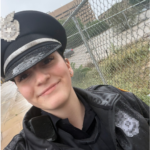
by Mary Ardolino
The decision to join the police academy wasn’t the result of a lifelong dream or a carefully crafted plan. It happened almost on a whim.Law enforcement had always lingered somewhere in the back of my mind, but I had never felt a strong calling to pursue it until May 2022.
One obstacle quickly led to the next. There were physical agility tests that had me climbing walls taller than I was and oral interviews that somehow made me feel like I’d never interviewed for a job before. I didn’t even find out I had been accepted until a week before the academy began.
Nothing, however, prepared me for the first day. As we filed into the classroom, we laughed nervously and chatted with one another, blissfully unaware of what was about to happen.
An instructor stormed into the room, shouting for everyone to stand at attention. For those of us with no military or law enforcement background, it was an instant culture shock. The easygoing atmosphere disappeared in seconds, replaced by structure, discipline, and expectations we hadn’t yet learned to meet.
The academy quickly taught us that success wasn’t about being the smartest person in the room or the strongest athlete. It demanded balance. You had to think under pressure, communicate effectively, and push your body further than you thought possible.
Every day began with hours of physical training. Even though I had been an athlete my entire life, this was a completely different kind of conditioning. My muscles constantly ached, and every morning I wondered how I was supposed to do it all over again. Lunch became less of a break and more of a routine. We’d silently microwave our meals like robots, mentally preparing ourselves for whatever challenge waited in the afternoon.
By the end of the first day, one classmate was gone. By the end of the first week, five had dropped.
The academy moved quickly after that. Before long we had survived Taser exposure, and I rated it a three out of ten. That experience gave me a skewed preceptionn heading into the chemical agent portion of training. I was dead wrong.
The gas chamber was uncomfortable but manageable. Once the mask came off, it felt like your face and lungs were on fire, but the burning faded after a few minutes in fresh air. Oddly enough, the biggest casualty was my expensive running shoes, which somehow shrank after the exposure. OC spray, however, was an entirely different experience. To this day, it remains the most painful thing I have ever experienced. Every poor life decision seemed to flash through my mind while my eyes burned with an intensity I didn’t know was possible. The pain lingered for days, and I quickly learned that the real secret wasn’t enduring the spray—it was learning how to properly decontaminate afterward.
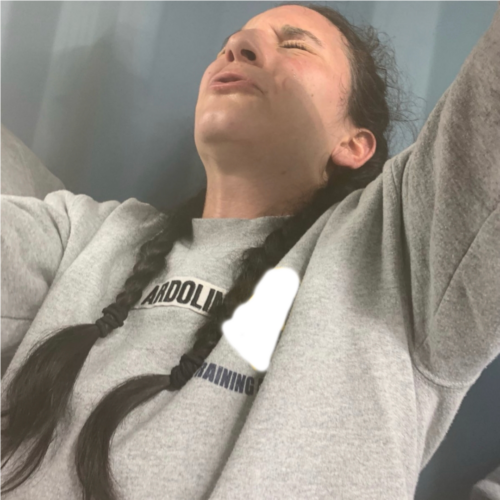
As miserable as those experiences were, they bonded our class together. By then, we knew each other’s strengths and weaknesses. We’d watched one another succeed, struggle, and occasionally fail. We spent more waking hours together than we did with our own families, and somewhere along the way those classmates became a second family. The sacrifices became real, too.
While I was learning criminal law, practicing defensive tactics, and climbing training walls, I missed my son’s first steps. It’s a memory I’ll never get back. But those moments reminded me exactly what I was working toward—a career built on protecting other families while providing for my own.
As the months passed, academics gradually gave way to hands-on training. Defensive tactics, emergency vehicle operations, and firearms became our daily routine, bringing us one step closer to becoming police officers.
One lesson, however, has stayed with me more than any lecture ever could.
During a tactical scenario inside a mock convenience store, I entered the building and failed to properly clear the corner on my right. Instead, I focused my attention to the left, where a counter blocked part of my view. Being shorter, I worried more about someone hiding behind the counter and taking a shot at my head. It was the wrong decision.
A role player hiding in the corner fired a simulation round into my arm. The projectile ricocheted and struck my knuckle, leaving me with a scar I still carry today.
More importantly, it left me with a lesson I’ll carry for the rest of my career. Never get lazy clearing your corners.
It sounds simple, but that painful mistake permanently changed the way I approach every building search. Since that day, I’ve responded to calls where people—and evidence—were waiting in those very corners I might once have overlooked.
Sometimes the lessons that hurt the most become the ones that keep you alive.
About the Author: Mary A. Ardolino